
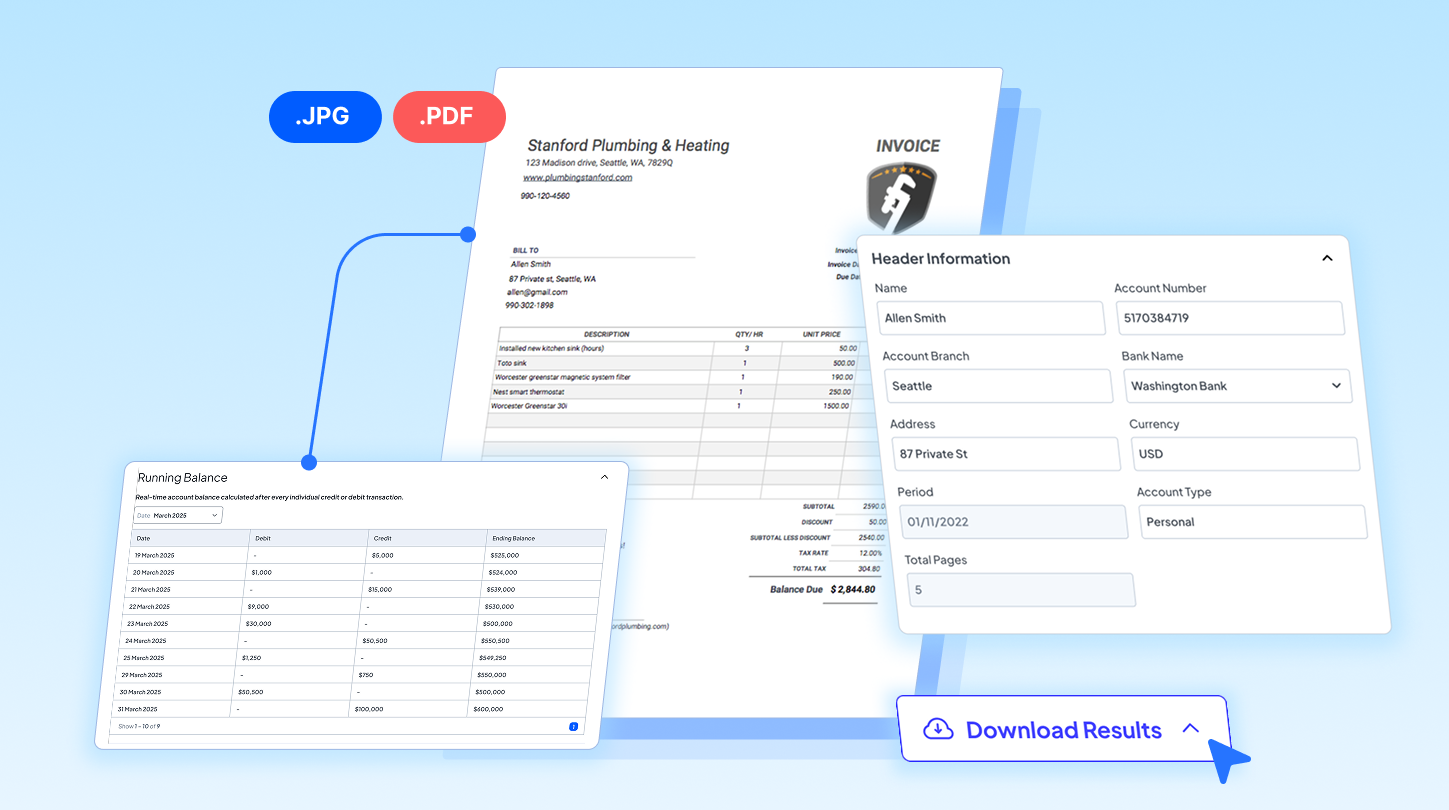

In this fast-paced business landscape, OCR has been playing a crucial part in enhancing retail back-office operations, especially in document workflow. OCR eliminates the burden of manual paperwork by enabling automated data retrieval from various documents. This is why OCR is applicable in multiple operational areas, from order processing, accounts payable, to programs like loyalty rewards. But why is OCR implementation so essential? And in what ways exactly does it enhance retail operations? Explore how today’s retail industry is maximizing OCR across various use cases in this article.
Why OCR Is Necessary for Retail
Behind a smooth retail operation is always an efficient system. However, manual handling of transactional documents like POs and invoices is what causes most retail business slowdowns. This is where OCR becomes essential to help streamline document processing workflow. By automating data capture, OCR unlocks various improvements in your operations, such as:
– Reduced error and delays during data entry
– Improve team productivity and efficiency
– Lower business operational costs
– Faster sales order entry and processing
– Improved compliance with more accurate records
Read also: Manual vs Automated Data Entry – Comparing Cost, Speed, and ROI
Use Case 1: OCR for Sales Order Processing
One of the biggest bottlenecks when processing sales orders is that teams have to manually review and enter each order into the system, a repetitive task that OCR can automate. OCR replaces time-consuming manual entry by automatically pulling out details like customer name, product codes, quantities, and amount to send to the existing sales ops platform. The need for quick response to every incoming order can easily be fulfilled with OCR that instantly captures and routes order data, ensuring timely fulfillment and faster turnaround.
Use Case 2: OCR form Warehouse Inventory
Implementing OCR to streamline retail warehouse management can greatly ease the workload of teams, especially in tracking and monitoring stocks. Instead of manually recording product information, retail businesses can automate data capture from various documents, such as invoices, delivery notes, and shelf labels for digital inventory archives. OCR transforms paper-based documents into data that is easily searchable and manageable. By putting inventory data retrieval on autopilot, OCR ensures real-time visibility of stock levels and minimizes data entry mistakes that could cause issues in warehouse operations.
Use Case 3: OCR for Loyalty Reward Programs
Loyalty rewards is a promotional program that many retailers now adopt to encourage repeat purchases. However, retailers commonly face challenges in managing and verifying records of customer transactions, which can slow down reward point allocation. With OCR, receipts submitted by customers can be instantly scanned and processed in seconds. All the necessary data, including items bought, amounts, and customer identifiers, is extracted and synced with the loyalty rewards database for faster point claims. With this implementation, retailers can accelerate reward fulfillment and deliver a smoother experience for customers.
Conclusion
These OCR use cases in retail can help retailers to improve operational efficiency in different areas of work, from managing sales order, inventory records, and processing loyalty programs. However, choosing the right OCR solution is important to ensure optimal implementation and to achieve ROI your business aims for. For retailers, Fintelite offers AI-powered OCR that can be customized to specific operational needs. It allows businesses to adjust what data to capture aligning with workflow requirements. Fintelite also supports seamless integration with the systems you currently use, making adoption smooth and minimizing disruption to daily operations.
